
A small clothing label might be “Maple & Thread” on its website, “Maple and Thread Co.” on Instagram, and “MapleThread” on a marketplace. The owner knows they are the same company. A new customer may not.
Brand consistency is about making sure people recognize your business instantly, wherever they encounter it. It is one of the simplest ways to build trust online.
Lock Down Your Core Brand Elements
Create a short brand reference sheet. Include your official business name and how it should be written, your logo files in a few common sizes, your main colors, a one-sentence description, and your standard contact details. This does not need to be a 40-page style guide. A single page is enough for most small businesses.
Decide on spelling details now: ampersand or “and,” “Co.” or no suffix, capital letters or lowercase. Then use that version everywhere.
Share the reference sheet with anyone who creates content or profiles for you, including employees, freelancers, and agencies. Most inconsistencies happen when a well-meaning helper guesses at the right spelling or grabs an old logo from an email. A single shared folder with approved files removes the guesswork and saves time whenever a new platform asks for your details.
Audit Where Your Brand Appears
Check your website, every social account, marketplace storefronts, Google Business Profile, review sites, and online directories. Note inconsistencies in name, logo, profile photo, description, and links. Old logos are a common issue after a redesign, especially on accounts nobody has logged into for a while.
Fashion and design brands often appear on many platforms at once. Designers listed in the Clothing and Designers category on Brands For You can compare their listing with their website and social profiles to confirm the name, logo, and description all match.
Why Consistency Matters Beyond Looks
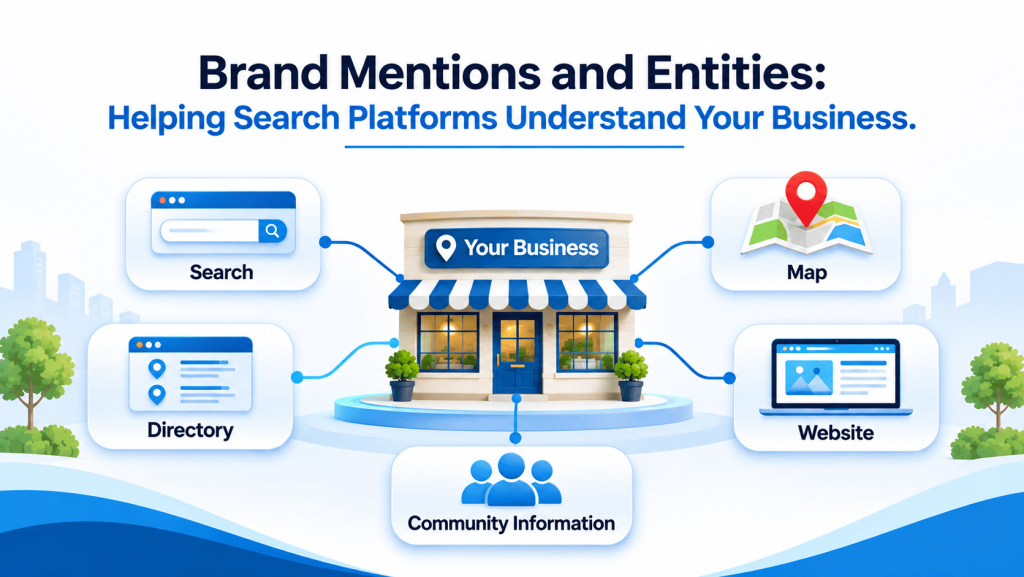
Consistent details help customers confirm they have found the right business, especially when similar names exist. They also help search platforms and AI assistants connect information from different sources to the same entity. If your name varies widely, those connections become harder to make.
Consistency does not mean identical copy everywhere. You can adapt your tone for each platform while keeping the essential facts and visual identity the same.
Conclusion
Brand consistency is mostly about discipline: decide once, document it, and apply it everywhere. Start with your highest-traffic profiles, then work through directories such as Brands For You and any marketplaces you use. When customers see the same name, logo, and details in every place, your business feels more established and easier to trust.
Frequently Asked Questions
Does my business name need to match my legal name exactly?
Use the name customers know you by, which may be a registered trade name or DBA rather than your legal entity name. Platforms like Google Business Profile ask for the name used consistently in the real world, on signage and branding. Avoid adding keywords or locations that are not part of your actual name.
How often should I update my logo across platforms?
Only when you change it. After any redesign, update all profiles at once using your audit list. Leaving an old logo on some platforms makes customers wonder whether they have found the right business or an outdated, unofficial account.
Should my social media handles all be the same?
Ideally, yes, or as close as possible. Identical handles make it easier for customers to find and tag you. If your preferred handle is taken on one platform, choose a simple, predictable variation and use it consistently on any new platforms you join.
What if another business has a similar name?
Make your full name, logo, location, and description clear and consistent so customers can tell you apart. If confusion becomes serious or involves trademark concerns, consult an attorney. Accurate, consistent listings help customers recognize the specific business they are looking for.